
"washed Ethiopian beans"
2000 article(s) found

Introduction to the flavor and taste characteristics of Ethiopian coffee manor with rich floral flavor
The nose is characterized by strong floral, fruity, sour and sweet aromas, but the alcohol is slightly thicker or less dense. The biggest disadvantage is that it is easy to bake unevenly, especially sun-dried beans. Even the best Grade3 Harald sun-dried beans often show uneven color, which is the biggest defect of Ethiopian beans, but the good thing is that it does not affect its good flavor. For coffee fans, don't worry about what the beans look like.

Flavor characteristics of Ethiopian Fine Coffee Ethiopian Coffee
Ethiopia is the hometown of Arabica coffee, and it is in the forests of Kaffa that you can see wild Arabica coffee. In Ethiopian, coffee is called Bun or Buna, and coffee beans (coffeebean) may be translated from Kaffa Bun. Arabica coffee was discovered early in the Harald area, probably from Kafa.

Rich floral flavor of Ethiopian coffee the characteristics of the manor area introduce high-quality coffee beans
Ethiopian coffee has the highest citrus aroma in the world. Whether instant coffee or freshly ground coffee, the aroma of orange or lemon can be smelled during extraction. The nose is characterized by strong floral, fruity, sour and sweet aromas, but the alcohol is slightly thicker or less dense. The biggest disadvantage is that it is easy to bake unevenly, especially sun-dried beans. Even the best Grade3 Harald sun beans are often

Ethiopian Sidamo Coffee beans 90+Ninety plus how much is Sidamo Coffee
Professional coffee knowledge exchange more coffee bean information please follow the coffee workshop (Wechat official account cafe_style) Ethiopia is the birthplace of coffee. Ethiopian coffee has the same deep cultural accumulation as Chinese tea. Ethiopian coffee is called the coffee of the wilderness, and a cup of Ethiopian coffee can bring you a primitive experience you've never had before. Ethiopia is blessed with

Ethiopian coffee introduces the characteristics of Ethiopian coffee Ethiopian coffee taste
Ethiopia is one of the major producers of Arabica coffee in Africa, producing the best Arabian coffee in the world. It is said that coffee was first discovered by shepherds in Essekafa, and the name of coffee evolved from Kafa, so Essex is still the hometown of coffee. The geographical environment of coffee production and processing is very suitable for coffee growth. Coffee is mainly cultivated.

Introduction to the Origin of Ethiopian Coffee by introducing the Flavor and Taste characteristics of Ethiopian Coffee Manor
Due to different processing methods, coffee can be divided into washed coffee (Washed coffee) and sun-cured coffee (Sun-dried coffee). Washed coffee accounts for 35% of exports. Good quality washed coffee is processed with freshly picked fully ripe fruit, picked carefully and closely monitored by professionals. The clean coffee beans picked up will be pulped on the day of picking.

Differences in flavor characteristics between Ethiopian washed Humbela Huakui coffee beans and Huakui 2.0
Professional coffee knowledge exchange more coffee bean information please follow the coffee workshop (Wechat official account cafe_style) Ethiopia Washed Guji Hambela G1 Ethiopian coffee washing Guji Hambella G1 production area Guji Zone (Hambela Woreda) treatment plant (Hambela) 2100-2200 meters above sea level to treat washing products

Individual Coffee beans recommended | Ethiopian Coffee | Yega Sheffield Beretti
Professional coffee knowledge exchange more coffee bean information please follow the coffee workshop (Wechat official account cafe_style) individual coffee bean recommendation-Ethiopia Yega Xuefei Beretti Solar Ethiopia Yirgacheffe Beriti natural production country: Ethiopia Ethiopia production area: Tori Village Tore, Yega Xuefei Yirgacheffe washing Factory: Belle

Introduction to the characteristics of Flavor description treatment of Ethiopian Coffee Bean varieties
Ethiopian coffee taste variety Ethiopian coffee should be the only pollution-free green organic coffee in the world. Ethiopia still uses traditional planting methods to artificially care for coffee trees, and fertilizers are mainly deciduous leaves, withered grass and animal manure, replacing harmful pesticides and herbicides used on a large scale in other coffee-producing countries. Ethiopia now produces mocha-Mocha coffee
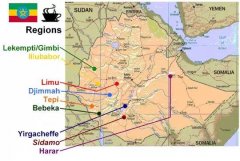
-unusual Ethiopian coffee.-what is Lim?
Professional coffee knowledge exchange more coffee bean information please follow the coffee workshop (Wechat official account cafe_style) Ethiopia Ethiopia G2 washed Ethiopia Washed Limu G2 country: Ethiopia (Ethiopia) production area: Limu (native species) producer: Heirloom (native species) producer: Limu production area local coffee is small

2018 Ethiopian Coffee Bean recommendation _ Ethiopian Coffee Bean description _ how much Ethiopian Coffee Bean
Professional coffee knowledge exchange more coffee bean information please follow the coffee workshop (Wechat official account cafe_style) ● descendants of King Solomon and Queen Sheba Ethiopians regard themselves as descendants of King Solomon and Queen Sheba, the lion is the symbol of power of their country, the country's population reached 102403196 in 2016, (12th in the world), is the world's most populous landlocked country

Ethiopian coffee introduction Ethiopian coffee beans exquisite coffee beans and introduction
Ethiopia is the hometown of Arabica coffee, and it is in the forests of Kaffa that you can see wild Arabica coffee. In Ethiopian, coffee is called Bun or Buna, and coffee beans (coffee bean) may be translated from Kaffa Bun. Arabica coffee was discovered early in the Harald area.

Introduction to Ethiopian coffee beans with mostly small grains and long, pointed beans
Ethiopian beans are easily recognizable, mostly small and pointed long beans, known as longberry, and often mixed with small oval-shaped short beans, called shortberry, which look uneven in size and appearance. The commercial bulk beans of Grade4 or Grade5 are mostly mixed with hundreds of different crystal seeds in different producing areas, so the phenomenon of uneven bean phase is the most obvious.

Qianjie boutique coffee beans Ethiopian washing Sidamo G1 honey import micro-batch fresh baking
Production area: Ethiopian Oromia species: Ethiopian native species Haiba: 2000 treatment: washed flavor description: obvious wild ginger flower and bergamot, with blackcurrant notes, the finish rhyme has a sweet taste of raisins, the overall flavor will be reminiscent of Earl black tea factory name: coffee factory address: Guangzhou Yuexiu Museum District Baoqian Street, Guangzhou Coffee manufacturer contact

The grade of Ethiopian coffee in Ethiopian coffee producing areas
The grade of Ethiopian coffee: Ethiopian water washed coffee Yega Xuefei, the highest grade of Yirgacheffe and Sidamo may be level 2 or 3 (G2 or G3), and most sun-processed coffee in eastern Ethiopia is grade 4 or 5 (G4, G5). In many cases, level 4 coffee is marked as level 5 in order to reduce taxes. The current classification is not very uniform.

Introduction to the description of the flavor of Ethiopian Yega Xuefei G1 washed sun-cured coffee
Description of the flavor of the sour Ethiopian Yega Sheffield G1 washed tanned coffee introduces Sidamo, Ethiopia, which is the best producing area of sun-dried beans, producing a lot of memorable sun-cured coffee. Yega Xuefei is located in a region with rivers in Sidamo Province. The water-washed beans produced are famous all over the world, but what is more anticipated or surprising is the high-quality sun-dried beans and the micro-climate in small areas.

Introduction to the story characteristics of Ethiopian boutique coffee beans
The highest grades of Ethiopian coffee are grade 2 and 3 (Yirgacheffe, Sidamo), while sun-processed coffee in eastern Ethiopia is mostly grade 4 or grade 5 (G4, G5). In many cases, the coffee label of level 4

How to deal with the processing of Ethiopian single bean? how to divide the grade of Ethiopian single bean?
Professional barista exchanges please follow the coffee workshop (Wechat official account cafe_style) the world-famous Ethiopian coffee are: 1. Limu coffee grows between 1400 meters and 2000 meters above sea level. Wash the coffee. Excellent quality, with strong nut aromas, suitable acidity, with the intensity of wine. The annual output is 29000 tons. 2. Jima coffee grows at an altitude of 140.

Is Ethiopian Coffee Bean Yega Xuefei? mystery of the Origin of Ethiopian Coffee beans
Professional coffee knowledge exchange more coffee bean information please follow the coffee workshop (Wechat official account cafe_style) the origin of Ethiopian coffee beans: Ethiopia, is the birthplace of coffee: Arabica coffee, growing in the forests of the Kafa region. We believe that Ethiopian coffee has better quality in the world and excellent genetic diversity of coffee shrubs.

Which coffee in Ethiopia is delicious and affordable? Ethiopian coffee beans have a charming floral aroma.
Professional coffee knowledge exchange more coffee bean information please follow the coffee workshop (Wechat official account cafe_style) Ethiopian coffee producing area flavor characteristics _ Ethiopia Yega Xuefei boutique coffee Ethiopian coffee can be described as the best coffee, irreplaceable charming flavor, pleasant and meticulous fruit flavor, warm tea feeling, the key point is the price is approachable